In today’s hyper-connected business landscape, mastering b2b digital marketing isn’t just an option—it’s a necessity. Companies that leverage data-driven, targeted online strategies consistently outperform competitors. Let’s dive into the most effective tactics shaping the future of B2B growth.
1. Understanding the Fundamentals of B2B Digital Marketing

B2B digital marketing refers to the strategies and tactics businesses use to promote their products or services to other businesses through online channels. Unlike B2C marketing, which often appeals to emotions and immediate purchases, b2b digital marketing focuses on logic, ROI, and long-term value. The decision-making process is typically longer, involving multiple stakeholders and a need for detailed information.




What Sets B2B Apart from B2C?
The core difference lies in the audience and the sales cycle. In B2B, you’re marketing to professionals who make calculated decisions based on business needs, budgets, and strategic alignment. This means content must be informative, credible, and tailored to specific industries or roles.
- B2B buyers require more touchpoints before conversion.
- Purchase decisions are often made by committees, not individuals.
- Content must address pain points with data and case studies.
“B2B marketing is less about impulse and more about influence.” — HubSpot
Key Channels in B2B Digital Marketing
The digital ecosystem offers numerous channels, but not all are equally effective for B2B. The most impactful include search engine optimization (SEO), content marketing, email campaigns, social media (especially LinkedIn), and paid advertising.
- SEO helps businesses get found by prospects actively searching for solutions.
- Content marketing builds authority and nurtures leads over time.
- Email remains one of the highest ROI channels for lead nurturing.
According to HubSpot’s 2024 B2B Marketing Report, 68% of B2B marketers prioritize content creation as their top strategy.
2. Building a Data-Driven B2B Digital Marketing Strategy
A successful b2b digital marketing strategy doesn’t rely on guesswork. It’s built on data—customer insights, market trends, and performance metrics. Companies that adopt a data-first approach can personalize messaging, optimize campaigns, and forecast outcomes with greater accuracy.
Defining Your Target Audience with Precision
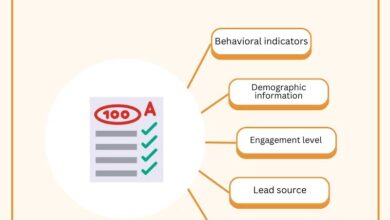
Before launching any campaign, you must clearly define your ideal customer profile (ICP). This includes firmographic data (industry, company size, revenue), technographic data (software used), and behavioral insights (online behavior, content consumption).
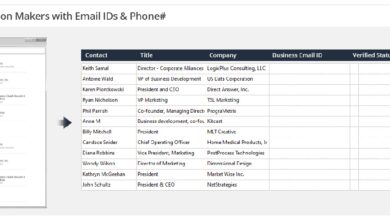
- Use tools like LinkedIn Sales Navigator to identify decision-makers.
- Analyze website analytics to understand visitor behavior.
- Leverage CRM data to segment existing customers.
For example, a SaaS company targeting mid-sized tech firms can use intent data from platforms like 6sense to detect when prospects are actively researching solutions.
Setting SMART Goals for Your Campaigns
Without clear objectives, even the best b2b digital marketing efforts can fall flat. Use the SMART framework—Specific, Measurable, Achievable, Relevant, Time-bound—to guide your planning.
- Specific: Increase qualified leads by 25% in Q3.
- Measurable: Track form submissions, demo requests, and email opens.
- Time-bound: Achieve the goal within 90 days.
“What gets measured gets managed.” — Peter Drucker
3. Mastering Content Marketing in B2B Digital Marketing
Content is the backbone of any b2b digital marketing strategy. It educates, engages, and converts prospects at every stage of the buyer’s journey. From blog posts to whitepapers, the right content builds trust and positions your brand as a thought leader.
Creating High-Value Content for Each Buyer Stage
The B2B buyer’s journey typically consists of three stages: Awareness, Consideration, and Decision. Each requires different types of content.
- Awareness: Blog posts, infographics, and educational videos.
- Consideration: Case studies, comparison guides, and webinars.
- Decision: Product demos, free trials, and ROI calculators.
A study by Content Marketing Institute found that 72% of B2B marketers say content marketing increases lead quality.
Leveraging Thought Leadership and Expert Positioning
Establishing your executives or subject matter experts as industry voices can significantly boost credibility. Publish bylined articles on platforms like Forbes Councils or contribute to industry publications.
- Host expert roundtables or panel discussions.
- Repurpose insights into LinkedIn articles or newsletters.
- Engage in Q&A forums like Quora or Reddit (r/Entrepreneur).
“People don’t buy products; they buy the expertise behind them.” — Joe Pulizzi, Founder of Content Marketing Institute
4. Optimizing SEO for B2B Digital Marketing Success
Search engine optimization is critical in b2b digital marketing because B2B buyers often begin their journey with a search query. Whether they’re looking for “best CRM for small teams” or “enterprise cybersecurity solutions,” your visibility on search engines can make or break your lead generation.
Keyword Research for B2B Buyers
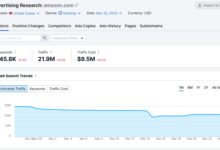
Unlike B2C keywords, B2B search terms are often long-tail, specific, and solution-oriented. Use tools like Ahrefs, SEMrush, or Google Keyword Planner to identify high-intent keywords.
- Target phrases like “how to reduce SaaS churn” or “cloud migration services for enterprises.”
- Focus on informational queries that indicate research phase.
- Monitor competitor keywords to identify gaps.
For instance, a company offering AI-powered analytics might target “predictive analytics for supply chain optimization” rather than generic terms like “data tools.”
Technical SEO and On-Page Optimization
Even the best content won’t rank without proper technical SEO. Ensure your website is fast, mobile-friendly, and structured with schema markup.
- Optimize title tags and meta descriptions with target keywords.
- Use header tags (H1, H2, H3) to structure content logically.
- Improve internal linking to boost page authority.
Google’s Core Web Vitals are now ranking factors, so prioritize loading speed and interactivity. Tools like Google PageSpeed Insights can help identify performance issues.
5. Leveraging LinkedIn and Social Media in B2B Digital Marketing
Social media is no longer just for B2C brands. In b2b digital marketing, LinkedIn has emerged as the most powerful platform for lead generation, brand building, and thought leadership.
Why LinkedIn Dominates B2B Marketing
With over 900 million users, LinkedIn is the go-to platform for professionals. It allows precise targeting based on job title, industry, company size, and seniority—making it ideal for B2B outreach.
- 80% of B2B leads come from LinkedIn (LinkedIn Marketing Solutions).
- Decision-makers actively engage with industry content here.
- Paid campaigns can be highly targeted and cost-effective.
For example, a marketing automation company can run Sponsored Content ads targeting “Marketing Directors” in “Software Companies” with 200+ employees.
Strategies for Effective LinkedIn Content
To stand out on LinkedIn, focus on value-driven content that sparks conversation.
- Share case studies with real results (e.g., “How we helped Company X increase ROI by 40%”).
- Publish data-driven insights from your industry reports.
- Use video to explain complex solutions in under 90 seconds.
“On LinkedIn, your content isn’t just seen—it’s scrutinized. Make every word count.” — Neil Patel
6. Email Marketing: The Underrated Powerhouse of B2B Digital Marketing
Despite the rise of new channels, email remains one of the most effective tools in b2b digital marketing. It offers direct access to decision-makers and allows for personalized, automated nurturing at scale.
Building a High-Quality Email List
The foundation of successful email marketing is a clean, permission-based list. Avoid purchasing lists—focus on organic growth through lead magnets like whitepapers, templates, or webinars.
- Use landing pages with clear value propositions.
- Implement double opt-in to ensure list quality.
- Segment your list by industry, role, or engagement level.
Tools like HubSpot or Marketo can automate list management and segmentation.
Designing High-Converting Email Campaigns
Effective B2B emails are concise, relevant, and action-oriented. Avoid generic blasts—use dynamic content and behavioral triggers.
- Send personalized follow-ups after content downloads.
- Use A/B testing to optimize subject lines and CTAs.
- Include social proof (e.g., “Join 500+ companies using our platform”).
According to Campaign Monitor, segmented email campaigns generate 30% more opens and 50% more clicks.
7. Measuring and Optimizing B2B Digital Marketing Performance
Even the best b2b digital marketing strategies need continuous refinement. Without proper measurement, you can’t determine what’s working—or where to improve.
Key B2B Marketing KPIs to Track
Focus on metrics that reflect business impact, not just vanity numbers.
- Lead Conversion Rate: Percentage of visitors who become leads.
- Customer Acquisition Cost (CAC): Total marketing spend divided by new customers.
- Marketing Qualified Leads (MQLs): Leads deemed ready for sales follow-up.
- Return on Ad Spend (ROAS): Revenue generated per dollar spent on ads.
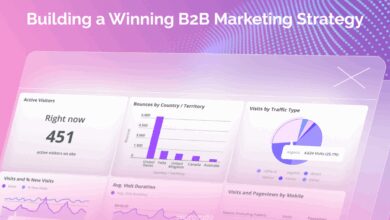
Use dashboards in Google Analytics, HubSpot, or Salesforce to monitor these in real time.
Using Analytics to Drive Continuous Improvement
Data should inform every decision. Regularly review campaign performance and adjust based on insights.
- Identify drop-off points in your funnel using heatmaps (e.g., Hotjar).
- Conduct A/B tests on landing pages, emails, and ads.
- Align marketing and sales data to close the loop on ROI.
“In b2b digital marketing, optimization isn’t a one-time task—it’s a culture.” — Avinash Kaushik, Digital Marketing Evangelist
What is the most effective channel for b2b digital marketing?
LinkedIn is widely regarded as the most effective channel for B2B digital marketing due to its professional user base, precise targeting options, and high lead conversion rates. However, a multi-channel approach combining SEO, content marketing, and email often yields the best results.
How long does it take to see results from b2b digital marketing?
Unlike B2C, B2B digital marketing typically has a longer sales cycle. While some channels like paid ads may show early traction, organic strategies like SEO and content marketing can take 6–12 months to deliver significant results. Consistency and patience are key.
What type of content works best in b2b digital marketing?
High-value, educational content performs best. This includes whitepapers, case studies, webinars, and in-depth blog posts that address specific pain points. Content that demonstrates ROI, includes real data, and features customer success stories tends to convert more effectively.
How can small businesses compete in b2b digital marketing?
Small businesses can compete by focusing on niche markets, creating highly targeted content, and leveraging cost-effective tools like email automation and SEO. Building strong relationships through personalized outreach and offering exceptional customer experiences can also level the playing field.
Is marketing automation essential for b2b digital marketing?
While not mandatory, marketing automation significantly enhances efficiency and scalability in b2b digital marketing. It allows for personalized lead nurturing, behavior-based triggers, and detailed performance tracking—freeing up time for strategic initiatives.
B2B digital marketing is a dynamic, data-driven discipline that demands precision, patience, and persistence. By understanding your audience, creating valuable content, leveraging the right channels, and continuously measuring performance, you can build a sustainable engine for business growth. The strategies outlined—from SEO and LinkedIn to email and analytics—are not just tactics; they’re pillars of a modern B2B marketing framework. Start small, test often, and scale what works. The future of B2B growth is digital, and the time to act is now.
Further Reading: