In today’s fast-evolving digital landscape, b2b e commerce is no longer a luxury—it’s a necessity. From automated ordering systems to AI-driven procurement, businesses are rapidly shifting online to stay competitive, efficient, and scalable.
1. The Evolution of B2B E Commerce

B2B e commerce has undergone a dramatic transformation over the past two decades. What once relied heavily on phone calls, faxes, and manual purchase orders has now evolved into a sophisticated digital ecosystem powered by cloud platforms, real-time data, and intelligent automation. This shift is not just technological—it reflects deeper changes in buyer behavior, supply chain expectations, and global market dynamics.
From Catalogs to Clicks: A Historical Overview
In the 1990s, early B2B transactions were conducted through Electronic Data Interchange (EDI), a system that allowed businesses to exchange documents electronically. While revolutionary at the time, EDI was rigid, expensive, and limited to large enterprises. The rise of the internet in the 2000s introduced web-based ordering systems, but these were often clunky and lacked user-friendly interfaces.
By the 2010s, platforms like Amazon Business and Alibaba began to disrupt traditional B2B models by offering intuitive, Amazon-like experiences for business buyers. This marked the beginning of the modern b2b e commerce era—where ease of use, speed, and personalization became central.
- 1990s: EDI and early digital procurement
- 2000s: Web-based ordering with limited functionality
- 2010s: Emergence of user-centric B2B marketplaces
- 2020s: AI, automation, and omnichannel integration
Why B2B Buyers Now Demand B2C-Like Experiences
Today’s B2B buyers are also B2C consumers. They expect the same level of convenience, speed, and personalization they experience on platforms like Amazon or Shopify. According to a McKinsey report, 73% of B2B buyers prefer to research and purchase online without interacting with a sales rep.
This shift has forced B2B companies to rethink their digital strategies. Features like one-click reordering, dynamic pricing, personalized dashboards, and mobile optimization are no longer optional—they are expected.
“The line between B2B and B2C is blurring. Buyers don’t want to be treated like corporate accounts—they want to be treated like people.” — Forrester Research
2. Key Drivers Accelerating B2B E Commerce Growth
The global b2b e commerce market is projected to reach over $20 trillion by 2027, according to Statista. This explosive growth is fueled by several interrelated factors, ranging from technological advancements to changing buyer expectations.
Digital Transformation in Supply Chains
Modern supply chains are increasingly digital, interconnected, and data-driven. Companies are investing in ERP systems, inventory management software, and logistics platforms that integrate seamlessly with e commerce storefronts. This allows for real-time inventory tracking, automated order fulfillment, and improved supplier coordination.
For example, a manufacturer can now sync its SAP system with its Magento-based B2B portal, enabling automatic updates on stock levels, pricing, and delivery timelines. This level of integration reduces errors, improves efficiency, and enhances customer trust.
- Real-time inventory visibility
- Automated purchase order processing
- Integration with ERP and CRM systems
Rise of the Self-Service Buyer
Today’s B2B buyers want control. They prefer to research products, compare prices, and place orders on their own time—without needing to speak to a sales representative. A study by Gartner found that 60% of B2B buyers avoid interacting with sales reps until late in the buying journey.
To meet this demand, companies are building self-service portals with advanced search filters, detailed product specifications, downloadable datasheets, and instant quoting tools. These features empower buyers to make informed decisions quickly and independently.
3. Core Features of a Successful B2B E Commerce Platform
Unlike B2C platforms, which focus on impulse buying and broad appeal, b2b e commerce platforms must cater to complex purchasing workflows, negotiated pricing, and bulk ordering. A successful B2B platform goes beyond a simple online catalog—it acts as a digital extension of the sales and service team.
Custom Pricing and Tiered Accounts
One of the most critical features in b2b e commerce is the ability to offer custom pricing based on customer type, volume, contract terms, or region. For example, a distributor might offer tiered pricing: $10 per unit for orders under 100, $8 for 100–500, and $6 for 500+.
Platforms like Shopify Plus, BigCommerce, and Magento (Adobe Commerce) support role-based pricing, allowing businesses to create personalized price lists for each client. This ensures that customers only see the prices relevant to their agreement, improving accuracy and trust.
- Customer-specific pricing rules
- Contract-based discounts
- Wholesale and distributor pricing tiers
Advanced Order Management and Reordering Tools
B2B buyers often place large, recurring orders. A powerful b2b e commerce platform should include features like:
- Quick order forms (with SKU or CSV upload)
- Subscription-based ordering
- Saved carts and reorder history
- Automated replenishment alerts
These tools reduce friction and make it easier for procurement teams to manage inventory efficiently. For instance, a hospital purchasing medical supplies can set up automatic reorders when stock levels drop below a certain threshold.
“The best B2B platforms don’t just sell products—they streamline the entire procurement process.” — Harvard Business Review
4. B2B E Commerce Marketplaces vs. Private Portals
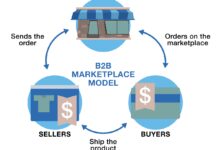
When entering the b2b e commerce space, businesses face a strategic choice: should they sell through a third-party marketplace (like Amazon Business or Alibaba) or build their own private e commerce portal?
Advantages of B2B Marketplaces
Marketplaces offer immediate access to a large, established customer base. They handle much of the technical infrastructure, payment processing, and customer service, allowing suppliers to focus on fulfillment.
Amazon Business, for example, has over 10 million business customers worldwide. By listing products there, suppliers can quickly gain visibility and credibility. Additionally, marketplaces often provide analytics tools, advertising options, and logistics support like Fulfilled by Amazon (FBA).
- Instant access to global buyers
- Lower upfront investment
- Integrated logistics and payment systems
However, marketplaces come with trade-offs. Sellers have less control over branding, pricing, and customer data. They also pay commission fees—typically 5–15% per transaction—which can eat into margins.
Benefits of Private B2B E Commerce Portals
A private portal gives businesses full control over their brand, customer experience, and data. It allows for deeper customization, stronger customer relationships, and higher profit margins since there are no third-party commissions.
Companies like Grainger and Fastenal have built highly successful private B2B platforms that offer personalized dashboards, contract management, and integrated invoicing. These portals often become mission-critical tools for their customers, increasing retention and lifetime value.
The downside? Building and maintaining a private portal requires significant investment in technology, UX design, and ongoing support. But for companies with complex offerings or high-value clients, the long-term benefits often outweigh the costs.
5. The Role of AI and Automation in B2B E Commerce
Artificial intelligence is no longer science fiction—it’s a core component of modern b2b e commerce. From chatbots to predictive analytics, AI is transforming how businesses interact with customers, manage inventory, and optimize sales.
AI-Powered Product Recommendations
Just like in B2C, AI can analyze customer behavior, purchase history, and browsing patterns to suggest relevant products. For example, if a manufacturer frequently buys industrial lubricants, the platform can recommend compatible seals or maintenance tools.
These recommendations aren’t just about increasing average order value—they also improve customer satisfaction by reducing search time and helping buyers discover complementary products they might have missed.
- Behavior-based product suggestions
- Cross-sell and upsell automation
- Dynamic bundling of related items
Chatbots and Virtual Sales Assistants
Many B2B companies are deploying AI-powered chatbots to handle routine inquiries like order status, pricing, and delivery timelines. These bots can operate 24/7, reducing the burden on human sales teams and improving response times.
Advanced chatbots can even guide buyers through complex configurations—like selecting the right industrial pump based on pressure, flow rate, and material compatibility. When needed, they can seamlessly hand off the conversation to a live agent.
“AI doesn’t replace salespeople—it frees them to focus on high-value relationships.” — Salesforce Research
6. Challenges in B2B E Commerce and How to Overcome Them
Despite its growth, b2b e commerce is not without challenges. From integration complexities to resistance from traditional sales teams, businesses must navigate several obstacles to succeed online.
System Integration and Data Silos
One of the biggest hurdles is integrating the e commerce platform with existing backend systems like ERP, CRM, and inventory management. Without seamless integration, businesses risk data inconsistencies, order errors, and delayed fulfillment.
The solution lies in using middleware platforms like MuleSoft or Celigo, which act as connectors between different systems. APIs (Application Programming Interfaces) also play a crucial role in enabling real-time data exchange across platforms.
- Use API-first platforms for better connectivity
- Invest in iPaaS (Integration Platform as a Service)
- Ensure data synchronization across all touchpoints
Change Management and Sales Team Resistance
Some sales teams view b2b e commerce as a threat to their role. They fear that self-service platforms will reduce their commissions or make them obsolete. This resistance can slow down digital adoption.
To overcome this, companies should reposition e commerce as a sales enablement tool—not a replacement. For example, reps can use the platform to share personalized product links, track customer activity, and identify upsell opportunities. Incentivizing digital sales and providing training can also ease the transition.
7. Future Trends Shaping the Next Era of B2B E Commerce
The future of b2b e commerce is being shaped by emerging technologies, evolving buyer expectations, and global economic shifts. Companies that anticipate these trends will be best positioned to lead in the digital marketplace.
Expansion of Mobile B2B Commerce
While desktop remains dominant, mobile usage in B2B is growing rapidly. Procurement managers, field technicians, and plant supervisors are increasingly using smartphones and tablets to place orders on the go.
Optimizing for mobile isn’t just about responsive design—it’s about creating mobile-first experiences with voice search, barcode scanning, and offline ordering capabilities. For example, a maintenance worker could scan a machine’s QR code and instantly reorder replacement parts from their phone.
- Mobile-optimized checkout flows
- Voice-assisted ordering
- Offline access to product catalogs
Increased Adoption of Subscription and SaaS Models
More B2B companies are moving from one-time sales to recurring revenue models. Whether it’s software, equipment leasing, or consumable supplies, subscription-based e commerce offers predictable income and stronger customer retention.
Platforms like Chargebee and Recurly are enabling businesses to manage subscriptions, billing cycles, and renewals seamlessly within their b2b e commerce systems. This shift also aligns with the growing preference for “as-a-service” offerings in industries like manufacturing, healthcare, and IT.
“The future of B2B isn’t just about selling products—it’s about delivering ongoing value.” — Gartner
What is B2B e commerce?
B2B e commerce (business-to-business electronic commerce) refers to the online sale of goods and services between businesses. Unlike B2C, B2B transactions often involve larger order volumes, negotiated pricing, long-term contracts, and complex procurement processes.
How is B2B e commerce different from B2C?
B2B e commerce typically involves longer sales cycles, multiple decision-makers, bulk ordering, and custom pricing. B2C is more transactional, with individual consumers making quick, emotion-driven purchases. B2B platforms must support features like account management, purchase approvals, and invoicing.
What are the best platforms for B2B e commerce?
Top platforms include Adobe Commerce (Magento), Shopify Plus, BigCommerce, SAP Commerce Cloud, and Oracle Commerce. The best choice depends on business size, integration needs, and scalability requirements.
How do I start a B2B e commerce business?
Start by auditing your current sales process, selecting a scalable platform, integrating with ERP/CRM systems, and designing a user-centric storefront. Focus on features like custom pricing, self-service portals, and order automation. Test with a pilot group before full rollout.
Is Amazon Business a good platform for B2B e commerce?
Yes, Amazon Business offers a large customer base, trusted logistics, and built-in tools for business sellers. However, it comes with fees and less control over branding. It’s ideal for companies looking to scale quickly, while private portals suit those prioritizing brand control and customer relationships.
The rise of b2b e commerce is reshaping how businesses buy and sell. From AI-driven personalization to mobile-first ordering, the digital transformation is no longer optional—it’s essential for survival and growth. Companies that invest in user-friendly platforms, seamless integrations, and data-driven strategies will not only survive but thrive in this new era. The future belongs to those who embrace change, empower their buyers, and turn their e commerce platform into a strategic asset.
Further Reading:
