In today’s hyper-competitive B2B landscape, generating high-quality leads isn’t just important—it’s essential for survival and growth. This article dives deep into the most effective b2b lead generation strategies that actually convert.
Understanding B2B Lead Generation: The Foundation

B2B lead generation is the strategic process of identifying, attracting, and converting business clients into potential customers for your products or services. Unlike B2C, where decisions are often emotional and quick, B2B purchasing involves longer sales cycles, multiple stakeholders, and data-driven decision-making.




What Defines a B2B Lead?
A B2B lead is any business entity or individual who has shown interest in your offering through actions like downloading a whitepaper, signing up for a demo, or attending a webinar. The key is intent—real engagement that signals buying potential.
- Marketing Qualified Leads (MQLs): Contacts who engage with content but aren’t sales-ready.
- Sales Qualified Leads (SQLs): Prospects vetted by sales as ready for direct outreach.
- Product Qualified Leads (PQLs): Users who’ve experienced your product (e.g., free trial) and shown intent to upgrade.
“Lead generation is not about volume; it’s about value. One high-intent lead can be worth 100 cold contacts.” — HubSpot, What is Lead Generation?
Why B2B Lead Generation Differs from B2C
The B2B buyer journey is complex. It involves multiple decision-makers, longer evaluation periods, and higher stakes. As a result, b2b lead generation strategies must be more targeted, educational, and relationship-focused.
- B2B: Long sales cycle, ROI-focused, relationship-driven.
- B2C: Shorter cycle, emotion-driven, impulse-friendly.
According to Salesforce’s State of Sales Report, 74% of high-performing sales teams prioritize lead quality over quantity, underscoring the need for precision in b2b lead generation.
Top 7 B2B Lead Generation Strategies That Work in 2024
Not all lead generation tactics are created equal. The most successful companies combine data, technology, and human insight to create scalable, repeatable systems. Here are seven proven b2b lead generation strategies that deliver results.
1. Content Marketing with Intent-Based SEO
Content is the backbone of modern b2b lead generation. But not just any content—strategic, SEO-optimized content that answers real buyer questions at every stage of the funnel.
- Create pillar pages and topic clusters targeting high-intent keywords like ‘best CRM for SaaS companies’.
- Use tools like Ahrefs or SEMrush to identify gaps in competitor content.
- Repurpose top-performing content into webinars, infographics, and LinkedIn posts.
For example, Backlinko’s research on B2B SEO shows that long-form content (2,000+ words) generates 3x more leads than short articles. This proves depth wins in b2b lead generation.
2. LinkedIn Outreach & Social Selling
LinkedIn is the #1 platform for b2b lead generation. With over 900 million users and 61 million decision-makers, it’s a goldmine for targeted outreach.
- Optimize your profile with clear value propositions and CTAs.
- Use Sales Navigator to filter prospects by industry, company size, and job title.
- Engage with content before pitching—comment, share, and build trust.
A study by LinkedIn’s Social Selling Index found that salespeople who use social selling close 78% more deals than those who don’t. This makes social selling a non-negotiable in any b2b lead generation strategy.
3. Webinars and Virtual Events
Webinars remain one of the most effective tools for b2b lead generation. They position your brand as an authority while capturing high-intent leads.
- Choose topics that solve specific pain points (e.g., ‘How to Reduce Cloud Costs by 40%’).
- Partner with industry influencers to boost attendance.
- Follow up with personalized email sequences post-event.
According to Content Marketing Institute, 73% of B2B marketers say webinars generate the highest-quality leads. This makes them a cornerstone of successful b2b lead generation campaigns.
Leveraging Technology for Scalable B2B Lead Generation
Technology is no longer optional in b2b lead generation. From AI-powered tools to CRM integrations, the right stack can automate, personalize, and scale your efforts.
Marketing Automation Platforms
Tools like HubSpot, Marketo, and Pardot allow you to nurture leads with personalized workflows based on behavior.
- Set up drip campaigns for new subscribers.
- Trigger emails based on content downloads or page visits.
- Score leads based on engagement to prioritize follow-ups.
As noted by Gartner, companies using marketing automation see a 451% increase in qualified leads. This demonstrates the transformative power of automation in b2b lead generation.
AI-Powered Lead Scoring and Enrichment
AI tools like Clearbit, ZoomInfo, and 6sense help identify high-potential accounts by analyzing firmographic, behavioral, and intent data.
- Enrich lead profiles with job titles, company size, and tech stack.
- Predict buying intent using third-party data signals.
- Align sales and marketing with account-based insights.
For instance, 6sense’s case studies show clients achieving 2x pipeline growth within six months using AI-driven intent data. This level of precision is revolutionizing b2b lead generation.
The Role of Account-Based Marketing (ABM) in B2B Lead Generation
Account-Based Marketing (ABM) flips traditional b2b lead generation on its head. Instead of casting a wide net, ABM focuses on targeting high-value accounts with personalized campaigns.
What Is ABM and How Does It Work?
ABM treats individual accounts as markets of one. It combines sales and marketing efforts to deliver hyper-personalized messaging across channels.
- Identify target accounts based on strategic fit (ICP).
- Create custom content and ads for each account.
- Engage decision-makers with coordinated outreach.
According to ABM Institute, 87% of marketers report higher ROI from ABM than from other marketing strategies. This makes ABM a powerful engine for b2b lead generation when executed correctly.
Integrating ABM with Traditional Lead Gen
ABM doesn’t replace b2b lead generation—it enhances it. Use ABM for top-tier accounts and broad-based strategies for mid- and bottom-funnel leads.
- Use intent data to identify ABM targets.
- Run LinkedIn ad campaigns tailored to specific accounts.
- Measure success by engagement depth, not just lead volume.
The synergy between ABM and scalable lead gen creates a balanced pipeline. As Forrester notes, the future of B2B marketing lies in blending personalization with scalability.
Measuring Success: KPIs for B2B Lead Generation
You can’t improve what you don’t measure. Tracking the right KPIs is critical to optimizing your b2b lead generation efforts.
Key Metrics to Monitor
Not all metrics are equal. Focus on those that reflect real business impact.
- Lead Conversion Rate: % of leads that become customers.
- Cost Per Lead (CPL): Total spend divided by number of leads.
- Customer Acquisition Cost (CAC): Total sales and marketing cost per new customer.
- Lead-to-Customer Velocity: Time from lead capture to close.
According to CMO.com, companies that track CAC and LTV (Lifetime Value) are 2.5x more likely to achieve sustainable growth.
Tools for Tracking and Analytics
Use integrated platforms to get a unified view of performance.
- Google Analytics 4: Track user behavior and conversion paths.
- HubSpot CRM: Monitor lead lifecycle and sales pipeline.
- Tableau or Looker: Build custom dashboards for deep insights.
Integrating these tools ensures data accuracy and enables real-time optimization of b2b lead generation campaigns.
Common B2B Lead Generation Mistakes to Avoid
Even experienced teams make errors that sabotage their b2b lead generation results. Recognizing these pitfalls early can save time, money, and reputation.
Targeting the Wrong Audience
One of the most common mistakes is failing to define a clear Ideal Customer Profile (ICP). Without it, you waste resources on unqualified leads.
- Solution: Conduct customer interviews and analyze existing client data to refine your ICP.
- Use firmographic, technographic, and behavioral data to segment effectively.
As Gong.io emphasizes, 68% of failed sales stem from poor prospect fit. Precision in targeting is non-negotiable in b2b lead generation.
Overlooking Lead Nurturing
Only 25% of leads are ready to buy immediately. The rest need nurturing—but many companies ignore them after the first touch.
- Develop multi-touch nurture sequences (email, retargeting, content).
- Use dynamic content based on lead behavior.
- Align sales and marketing on handoff criteria.
Research from MarketingProfs shows nurtured leads make 47% larger purchases than non-nurtured ones. This proves that patience and persistence pay off in b2b lead generation.
Future Trends Shaping B2B Lead Generation
The landscape of b2b lead generation is evolving rapidly. Staying ahead requires awareness of emerging trends and technologies.
Rise of Predictive Analytics and AI
AI is moving beyond automation to prediction. Tools can now forecast which leads are most likely to convert based on historical and real-time data.
- Use AI to prioritize outreach and allocate resources efficiently.
- Implement chatbots with conversational AI to qualify leads 24/7.
- Leverage natural language processing (NLP) to analyze buyer sentiment.
As McKinsey reports, AI-driven marketing will influence over 60% of B2B interactions by 2025. Early adopters gain a significant competitive edge in b2b lead generation.
Growth of Intent Data Providers
Intent data reveals when companies are actively researching solutions—giving you a first-mover advantage.
- Partner with providers like Bombora, G2, or TechTarget to access real-time intent signals.
- Trigger outreach when a target account shows increased engagement with relevant topics.
- Combine first-party and third-party intent data for maximum accuracy.
According to IDC, companies using intent data see a 35% faster sales cycle. This makes it one of the most powerful tools in modern b2b lead generation.
What is the most effective b2b lead generation strategy?
There’s no one-size-fits-all answer, but a combination of content marketing, LinkedIn outreach, and account-based marketing consistently delivers the highest ROI. The key is aligning your strategy with your buyer’s journey and using data to refine your approach.
How long does it take to see results from b2b lead generation?
Most strategies take 3–6 months to gain traction. Content marketing and SEO require time to rank, while paid ads and webinars can generate leads faster. Consistency and optimization are critical for long-term success.
What tools are essential for b2b lead generation?
Essential tools include a CRM (e.g., HubSpot), marketing automation platform, LinkedIn Sales Navigator, intent data provider, and analytics suite. These form the core tech stack for scalable b2b lead generation.
How do you qualify b2b leads effectively?
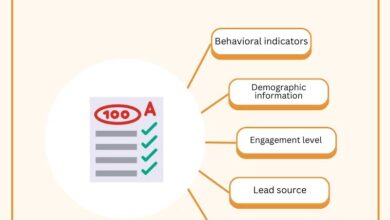
Use a lead scoring model based on demographic fit, engagement level, and intent signals. Combine this with sales feedback to continuously refine qualification criteria and improve lead quality.
Can small businesses compete in b2b lead generation?
Absolutely. Small businesses can outmaneuver larger competitors by being more agile, personalized, and niche-focused. Leveraging LinkedIn, content, and targeted outreach allows even small teams to generate high-quality leads efficiently.
B2B lead generation is both an art and a science. It requires strategic planning, the right tools, and continuous optimization. By focusing on high-intent channels, leveraging data, and avoiding common pitfalls, businesses can build a sustainable pipeline that drives growth. The future belongs to those who combine human insight with technological precision in their b2b lead generation efforts.
Further Reading: